May 30, 20206
IEM in this case stands for In Ear Monitors. Great, what are they for, what do they do and more importantly, why the heck would you want to use something like this? Cool questions all, let’s answer this and then talk about how I made this happen.
IEMs, for all intents and purposes, are ear buds.
Great, so go get some $1 earphones at the dollar store and one is good, right? Not quite. These things are designed for musicians to use while on stage, which means that they give you better quality sound and they are way more robust and built better so they last longer.
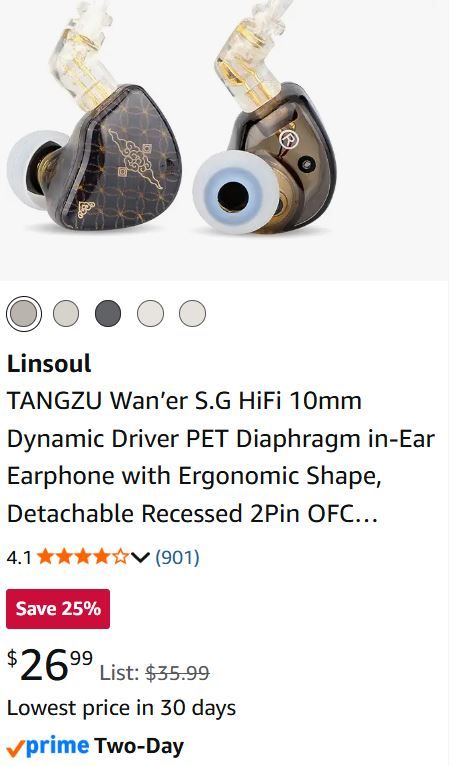
I chose some very nice low end IEMs from Amazon. The TANGZU Wan’Er SG single driver units that sound surprisingly good… strong bass, clear mids and highs. Now one can get some high-end IEMs with something crazy like 12 drivers, but here is one of my walls… a very low budget. “Real” IEMs can cost hundreds if not thousands of dollars. There are some truly exotic models where they even make molds from the insides of your ears for a truely custom fit… but not for me. I am “Mr Champagne Taste on a Beer Budget” and so the Tangzu were not just surprisingly good sounding, but at *under* $30 are super-affordable.
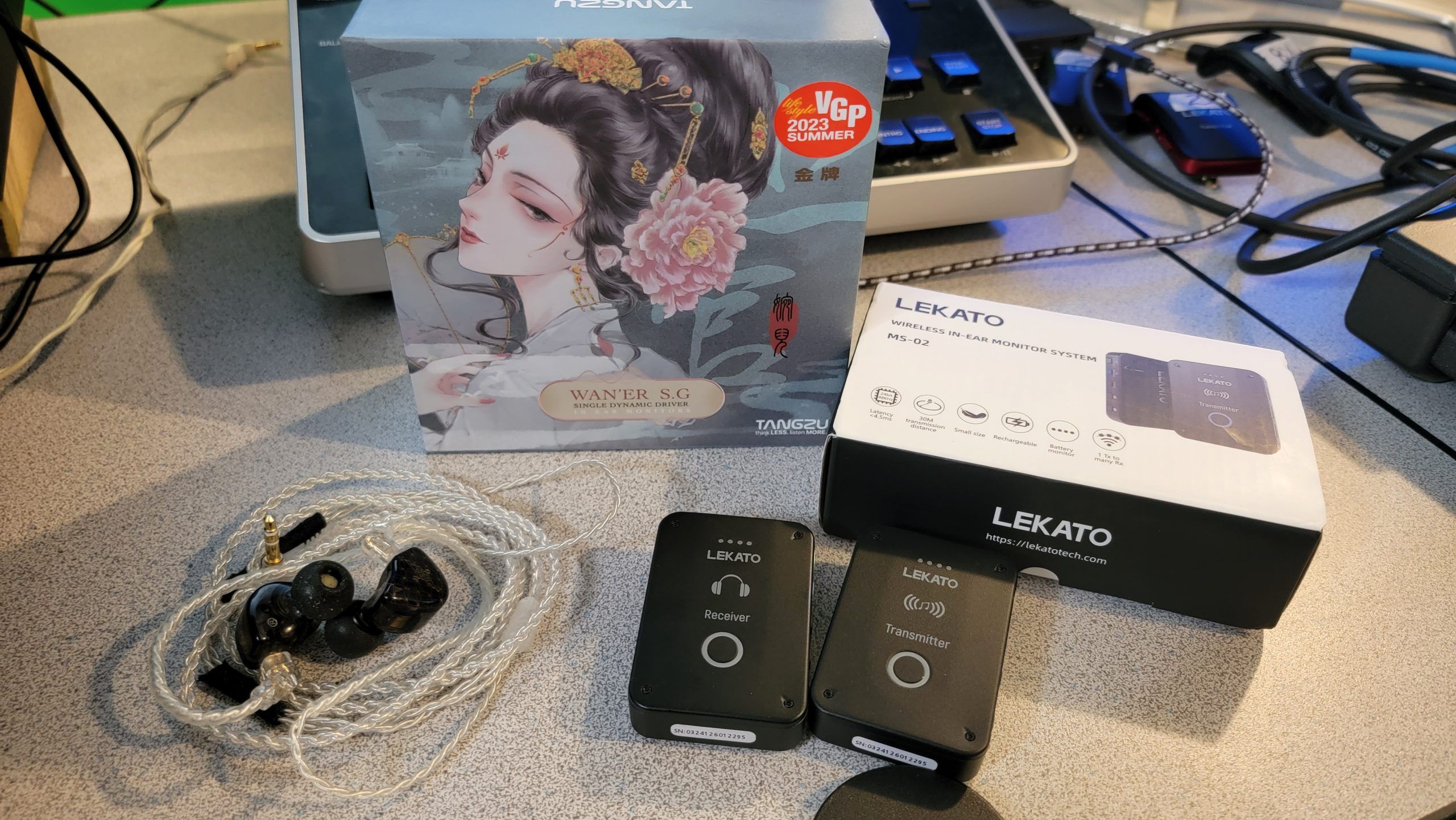
There is one modificaton that I made that I believe contributes a lot to their good sound, and that is a set of acoustic foam eartips that I used on my Buds Pro Samsung earbuds. Made by COMPLY, they are made from memory foam and form an acoustic seal in the ear canal so well that the bass response, clarity and volume goes up drastically and they cut outside noise from entering down to almost nothing. Anyone talking to me in the room and I won’t be able to make out what they are saying… that is impressive!
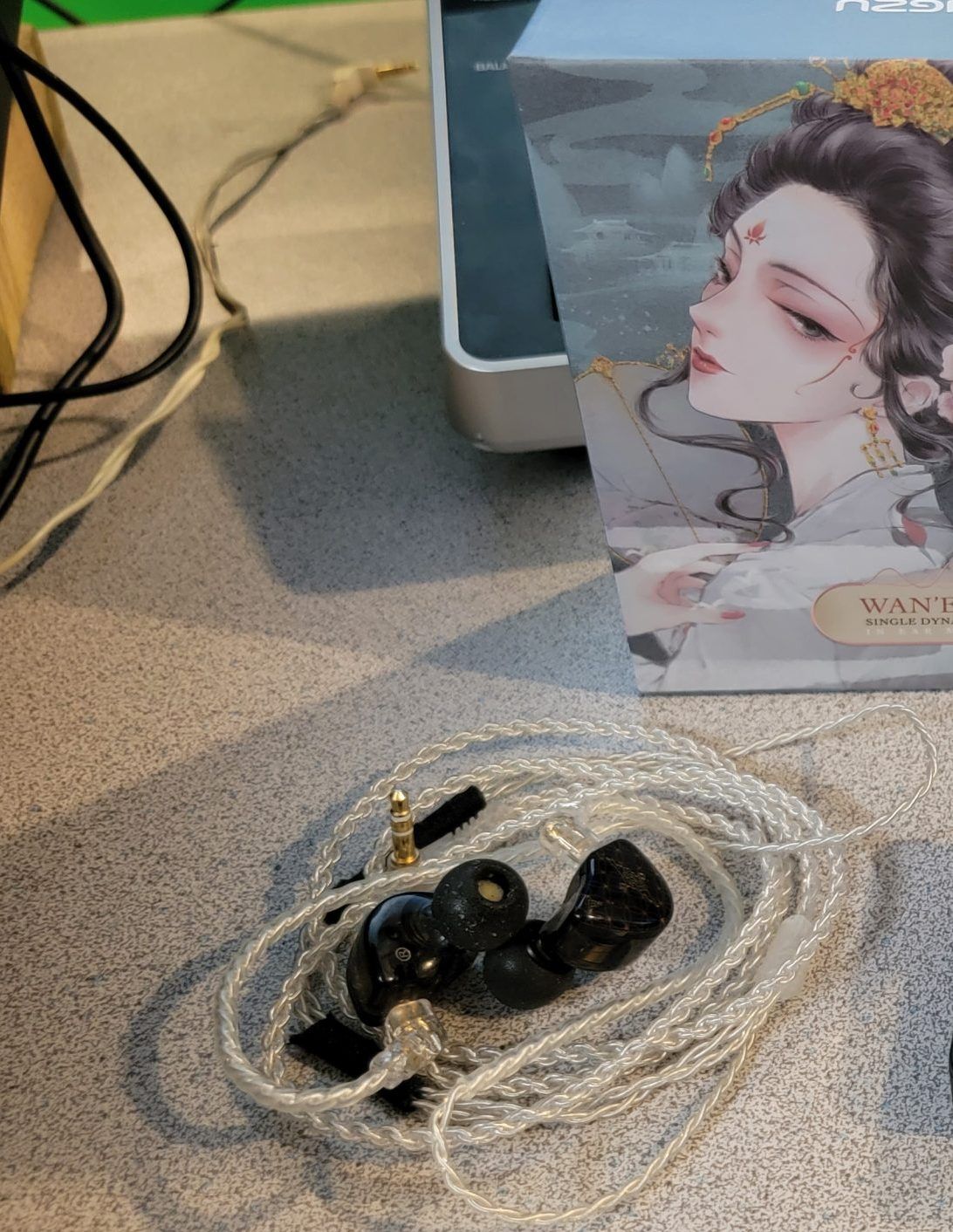
The actual “earphone” part is only half the story. You see, IEMs are wireless so one also has to have the wireless part, and here again I was pleasantly surprised by how well they work. I purchased them on a popular Asian website and ordered the LEKATO wireless in ear monitor system. They work great, last 5+ hours, have decent range (I can listen to my mixer which is in the basement on the 2nd floor of my house without dropouts). Now these kinds of transmitter/receiver setups can again cost hundreds to thousands of dollars… I spent $50 and for a cost/perfomance ratio, they are fantastic.
I run a cable from my SQ-5’s AUX 1 outputs in stereo to the transmitter and clip the receiver to my belt and run the wire for the IEMs down the back of my shirt… and here is reason #1 why I love IEMs… they are near invisible.
In my videos, instead of seeing me wear huge headsets which make me look like “look at me, I am DORKUS MAXIMUS because I am so cool !!”, the drivers are a small area that when inserted properly in my ears are barely visible. If I wants to make them almost invisible, I could paint them a skin color and they just disappear. The wires go over the ears uder my hair, down the back of my head and travel down my back and in to the receiver clipped to my belt… plus thanks to the 4.5ms latency of the Lekato IEMs at 90 feet, that is down to nill latency when they are as close as I am to my setup (under 10 feet) it all SOUNDS GREAT with no audible delay!
I don’t just use them in my future recordings, but also in all my Zoom Meeting events. They are never in my way, never tangle up, look good and play a HUGE part in eliminating feedback in my live and recording events. These units are one of the secrets of my setup and make using my mixer so much fun… love ’em!